National
Loans, touring shows and shared expertise with more than 250 cultural organisations across the UK, and the Portable Antiquities Scheme, which records finds made by the public in England and Wales.
You are in the Research section
Behind the galleries: eight collection departments, conservation and scientific laboratories, study rooms open by appointment, and partnerships across the UK and the world.
X-ray fluorescence, CT scanning, isotope analysis and microscopy answer questions the eye cannot: where a metal was mined, whether a pigment is original, what a mummy's bones record about a life. The laboratories publish their findings and train conservators from partner museums.
{{ c.d_question }}
{{ c.d_method }}
{{ c.d_found }}
Eight collection departments, each with curators, a study room and a publishing programme. Enquiries about an object go to the department that holds it.
{{ d.body }}
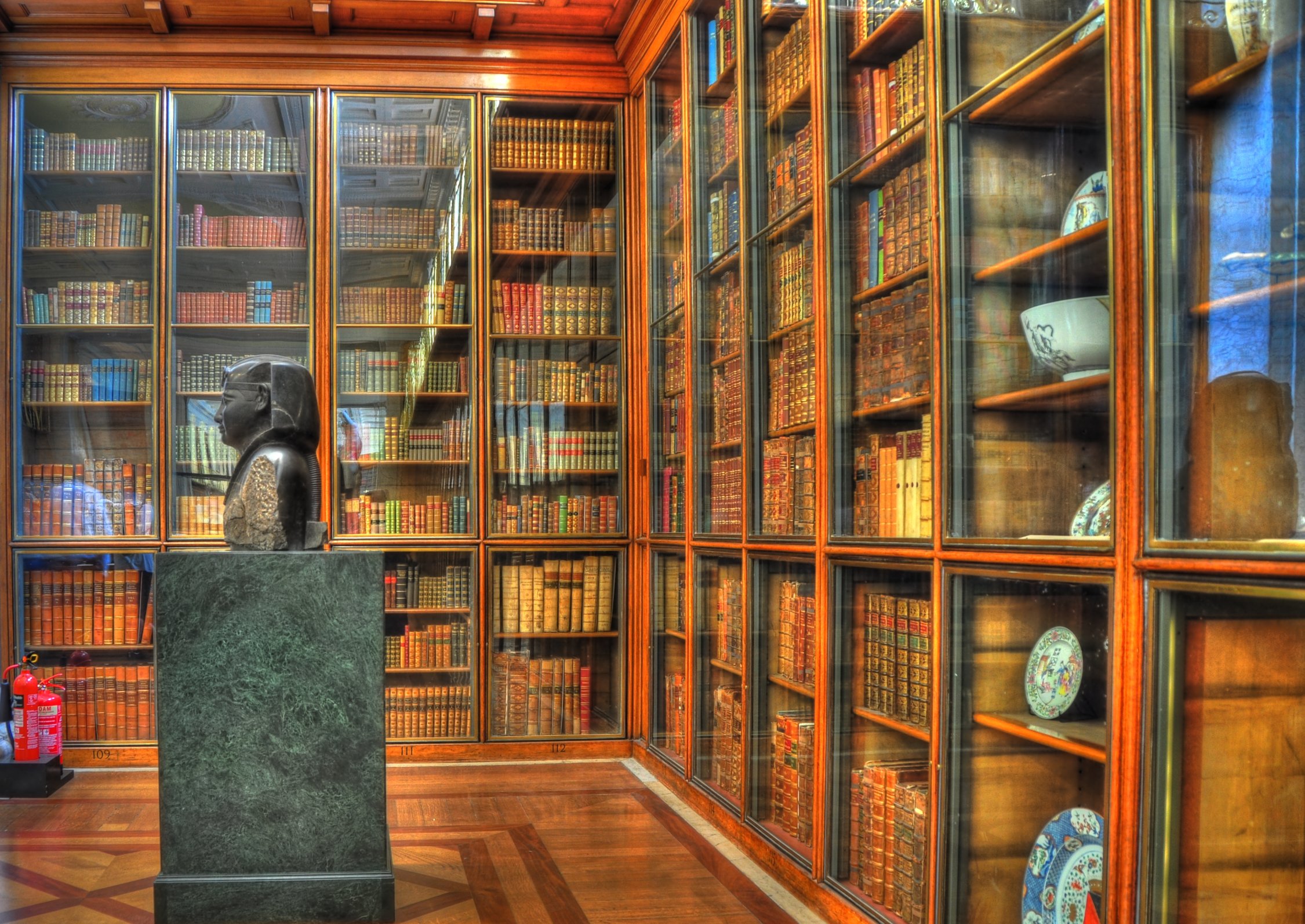
Most of the collection is not on display, and most of it can be seen. Study rooms give access to objects in store, with a curator present; the library and archive hold the Museum's own paper record since 1753.
Prints and Drawings, Coins and Medals, and departmental rooms, by appointment.
Trustees' minutes, excavation notebooks, correspondence and object registers.
Four million records, most with images free for non-commercial reuse.
Research papers, catalogues raisonnés and the online research repository.
Loans, touring shows and shared expertise with more than 250 cultural organisations across the UK, and the Portable Antiquities Scheme, which records finds made by the public in England and Wales.
Joint fieldwork, training programmes for museum staff and archaeologists, and long-term loans to partner museums. Objects travel out of Bloomsbury every week of the year.
Free school visits and taught sessions, community projects, adult courses and studentships held jointly with universities. Doctoral students work inside the departments.