Governance
The collection is held by a board of twenty-five Trustees under the British Museum Act 1963. Board papers and annual reports are published.
The Museum began as one man's cabinet. Sir Hans Sloane, physician and collector, left some 71,000 objects, books and natural specimens to the nation on his death, and in 1753 Parliament bought them for the country, paying for it with a public lottery.
Six years later, on 15 January 1759, the collection opened at Montagu House in Bloomsbury, free of charge, to any studious and curious person who applied in writing. No museum anywhere had done that before. Sloane's material was joined by the Cotton and Harley libraries, and the institution was, from the beginning, a library and a museum in one building.
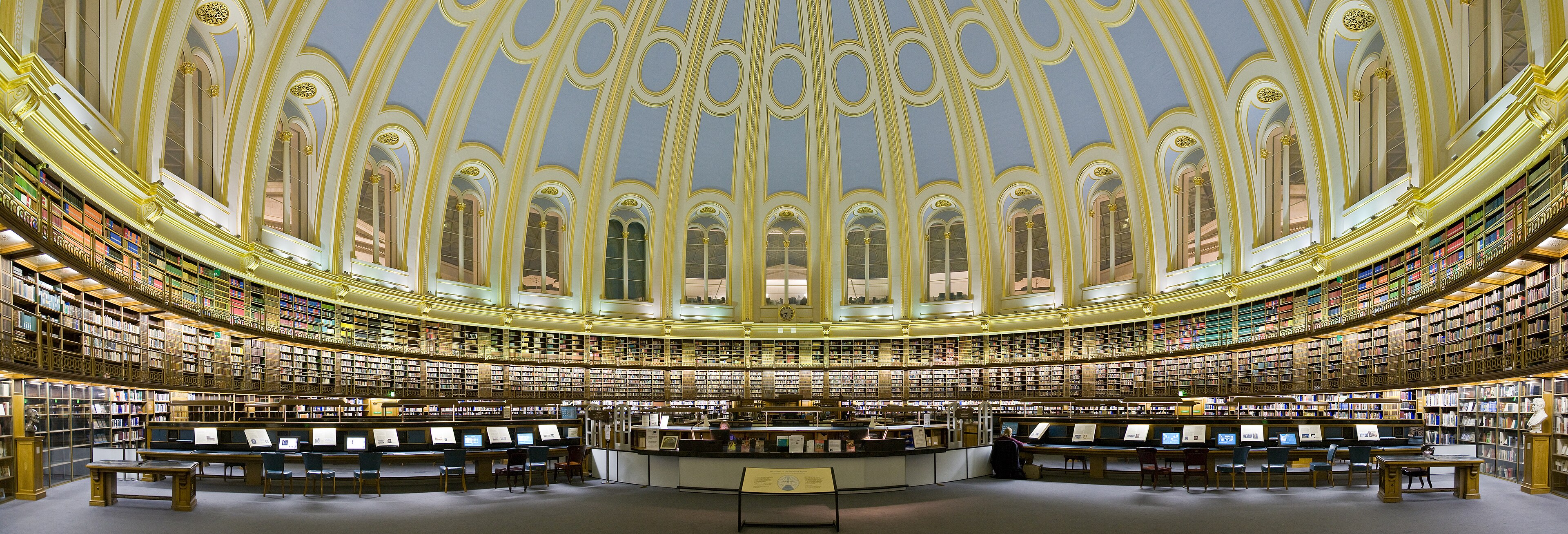
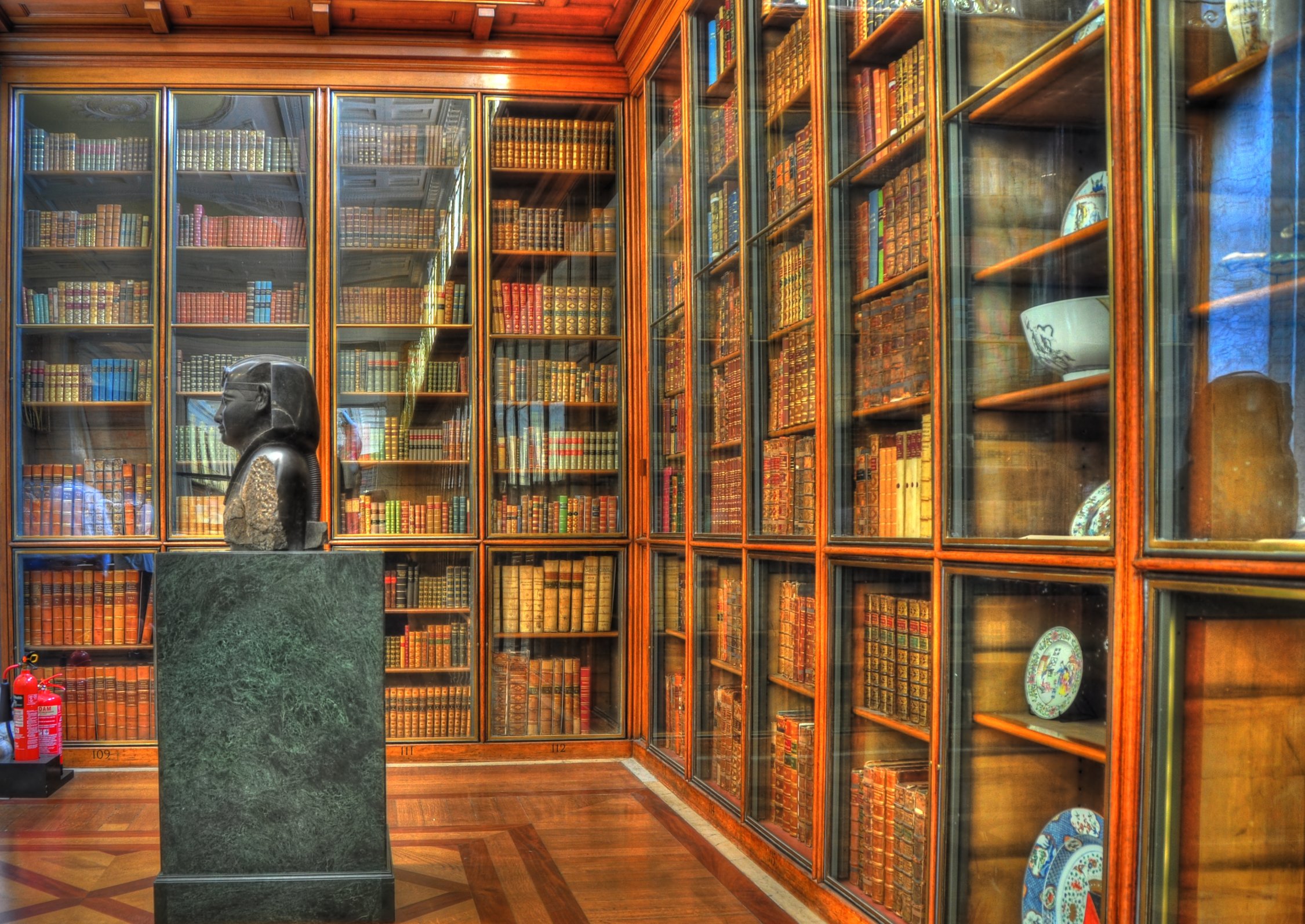
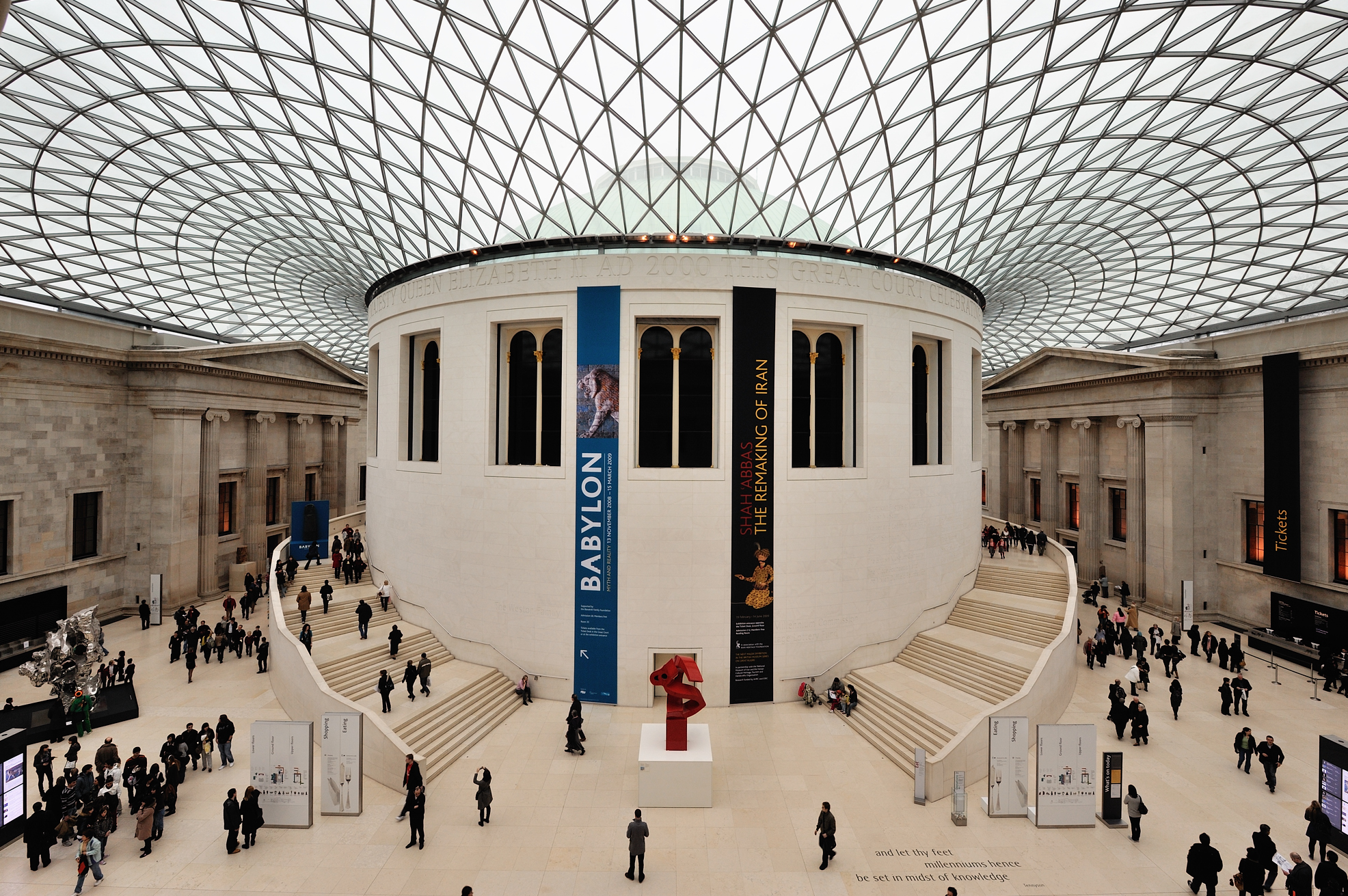
What followed broke the house. Egyptian sculpture ceded in 1801, the Townley marbles, the Parthenon sculptures in 1816, Assyrian palace reliefs from the 1840s, and the King's Library given by George IV. Montagu House was demolished around the growing collection and Robert Smirke's quadrangle rose in its place between 1823 and 1852. The natural history collections left for South Kensington in 1881; the books left for St Pancras in 1997, and the reading room they vacated became the centre of a covered square in 2000.
What remains is a collection of human making, from a Tanzanian handaxe to a print pulled last year, held by a board of Trustees for the benefit of the public, and a founding condition that has never been withdrawn: entry is free.
Sloane's own catalogue numbers are still legible on some objects, in ink, in his hand.
The 1753 purchase price for Sloane's collection was £20,000, raised by lottery because the Treasury would not fund it.
Karl Marx, Virginia Woolf, Arthur Conan Doyle and Mahatma Gandhi all held reading tickets for the Round Reading Room.
Smirke's Greek Revival quadrangle rose between 1823 and 1852, forty-four Ionic columns deep, modelled on the temple of Athena Polias at Priene. In 2000 Foster + Partners roofed its lost courtyard in a lattice of 3,312 panes, no two identical, making the largest covered public square in Europe.
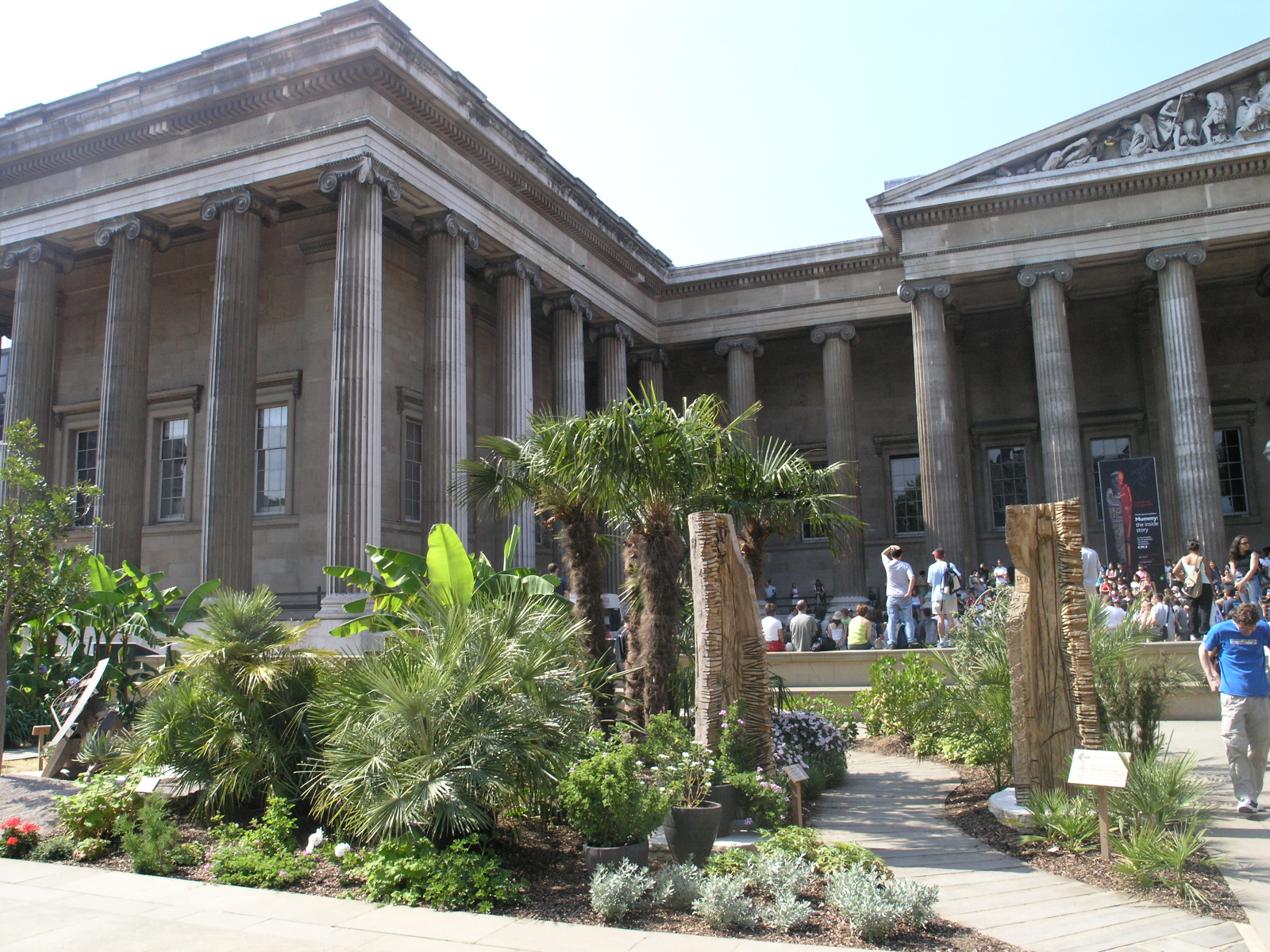
The south front, 1852. Richard Westmacott's pediment, The Progress of Civilisation, watches Great Russell Street from behind the railings.
The Round Reading Room, 1857. Sydney Smirke's dome, wider than St Paul's, where the reading public worked until the British Library moved out in 1997.
The collection is held by a board of twenty-five Trustees under the British Museum Act 1963. Board papers and annual reports are published.
The Parthenon sculptures, the Benin bronzes and other holdings are the subject of long-running claims. The Museum states its position publicly and continues to discuss them with partner institutions.
Press images and releases for current exhibitions, and vacancies across curatorial, conservation, visitor services and commercial teams.